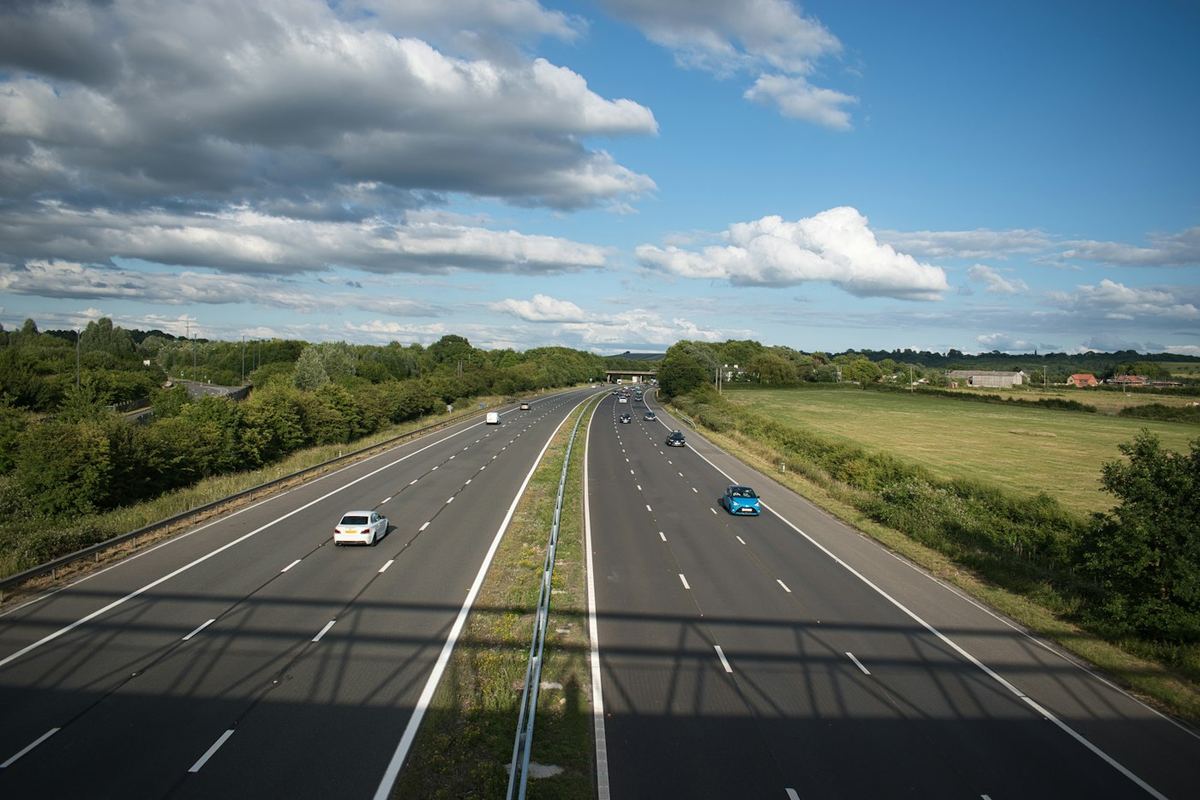
Move across lanes the way you would want others to
A merge or a lane change asks two drivers to agree on the same space without speaking. Signals, speed and timing are how that conversation happens. Done well, nobody has to brake; done poorly, several cars do.
This page covers joining a highway from a ramp, changing lanes on a busy road and making room for drivers who are trying to merge in front of you.
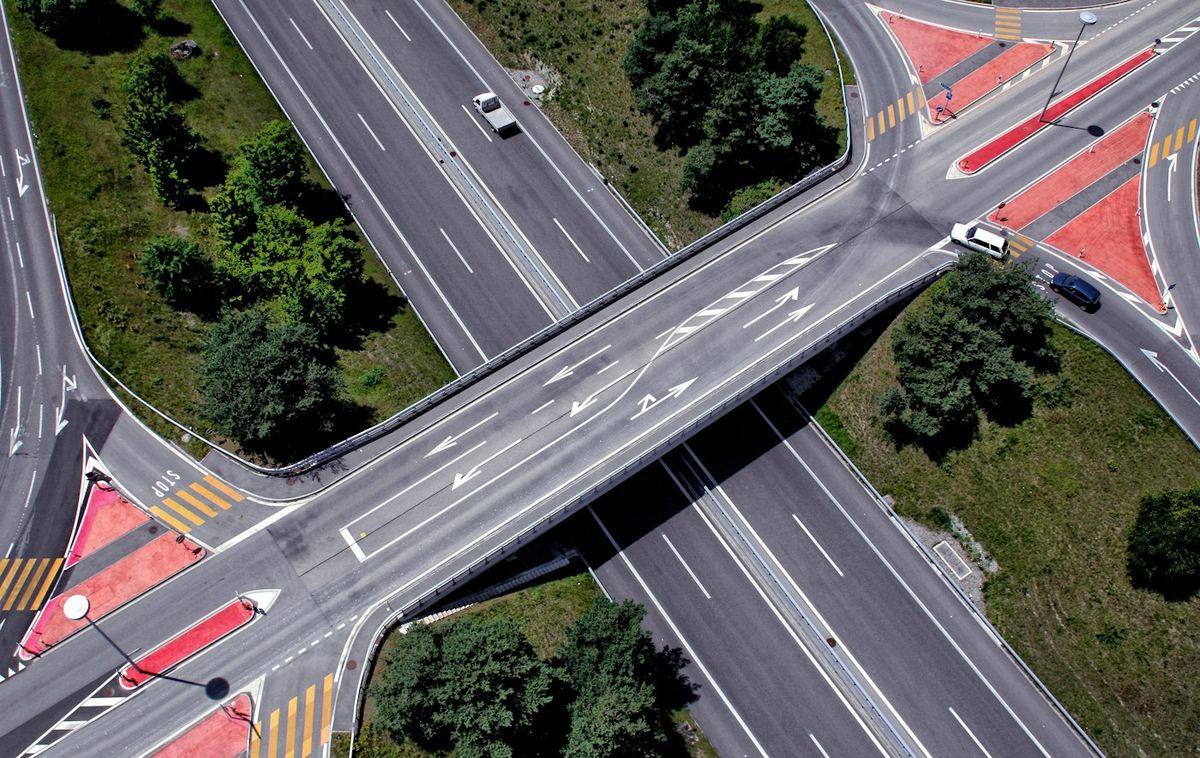
A lane change, step by step
- Check your mirrors and note who is around you
- Signal for a few seconds before you move
- Glance over your shoulder into the blind spot
- Move steadily into the gap, holding your speed
- Cancel the signal and settle into the new lane
On a ramp, use the length of the acceleration lane to bring your speed up to the flow of traffic before you merge. Slowing to a near stop at the end of a ramp forces fast traffic to brake for you and makes the merge much harder.
One lane at a time
Crossing several lanes at once leaves no time to spot a car in the second lane. Move one lane, settle, then check again.
Let people in
When a driver needs your lane, ease off and open a gap. Merges flow better when the lane makes space.
Zipper merging
Where two lanes become one, using both lanes to the merge point and taking turns keeps traffic moving evenly.
What your car brings to a merge
Knowing how your car pulls makes a ramp much easier. A small engine, a full load of passengers or a trailer all stretch the distance needed to reach highway speed, so start building speed early on the ramp instead of at its end. A turn signal that clicks twice as fast as usual is the car telling you a bulb has gone.
What a smooth change does
Smooth lane changes keep the drivers around you from having to guess. A signal given early, a steady speed and one clean move make you easy to read, and that predictability is as much a part of defensive driving as anything you do with your eyes.
Common questions
Long enough for drivers around you to notice and react. A count of three to five seconds before moving is a reasonable habit, longer on a fast highway.
Keep looking and adjust your speed to slot in behind a vehicle. If you must, use the shoulder at the end of the ramp to wait, rather than forcing your way in.
Where it is safe and the lane beside you is clear, moving over makes room. If you can't, easing off a little to open a gap does the same job.
This page is general information about auto safety and driving habits. It is not a lesson, legal advice or a statement of the law where you drive; your state’s driver handbook and a licensed instructor come first.