Time to react starts with the space in front of your car
The gap ahead of your car is the one part of traffic you control completely. Every other driver decides where they go; you decide how much room you leave behind them. That room is what turns a sudden stop ahead into a firm press of the brake rather than a swerve.
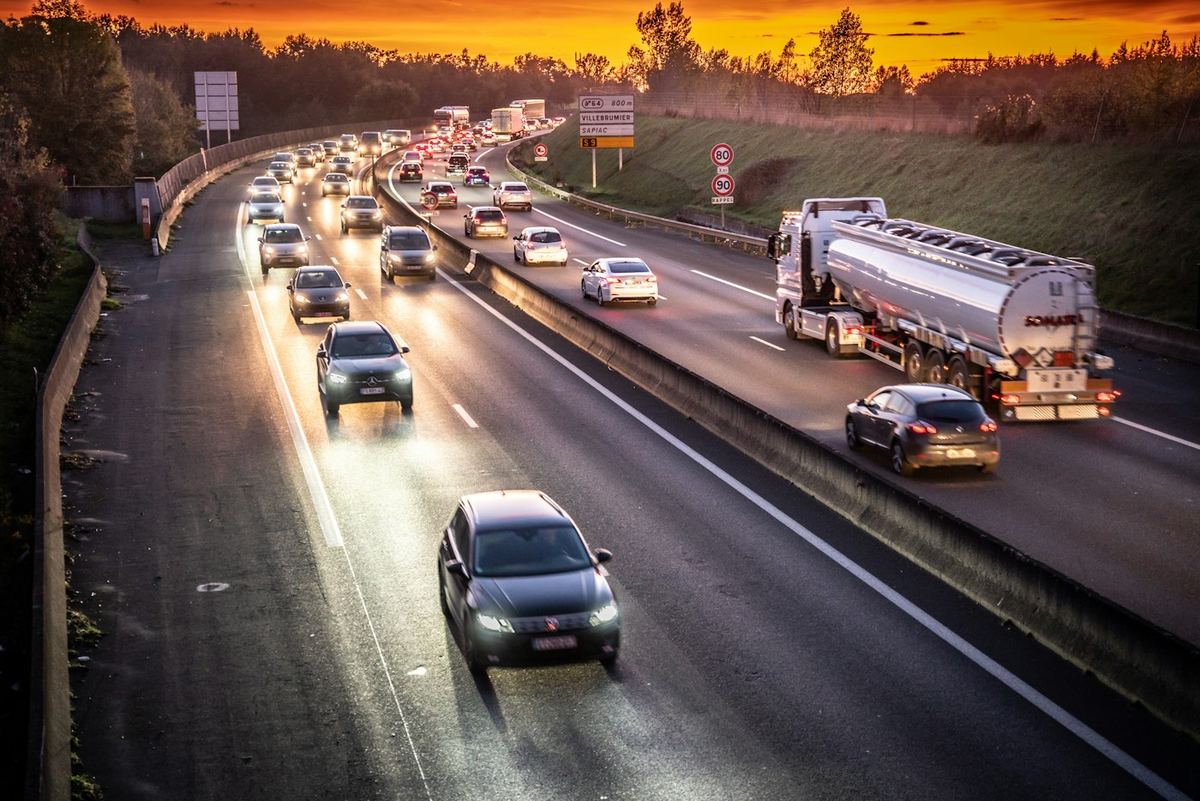
Distance is hard to judge by eye, and it changes with speed. Time is easier. Counting seconds behind the vehicle in front gives you a measure that works at any speed, on any road, without guessing at feet or car lengths.
How to count the gap
- Pick a fixed mark ahead: a sign, a shadow, a crack in the road
- When the rear of the car in front passes it, start counting
- Say one-thousand-one, one-thousand-two, one-thousand-three
- If you reach the mark before three, ease off and let the gap open
- Count again whenever the traffic, the weather or the light changes
Three seconds is a common starting point in state driver handbooks for a dry road in daylight. It is a floor, not a target. Wet pavement, darkness, a heavy load, a tired driver or a big vehicle in front all argue for more, and the gap calculator on this site adds those up for you.
Hold the gap
When someone cuts into the space you made, let them have it and drop back again. The gap is for you, not a lane to defend.
See past the car ahead
A larger gap widens your view. You can watch brake lights two or three cars ahead and start slowing before the car in front does.
Stopped in traffic
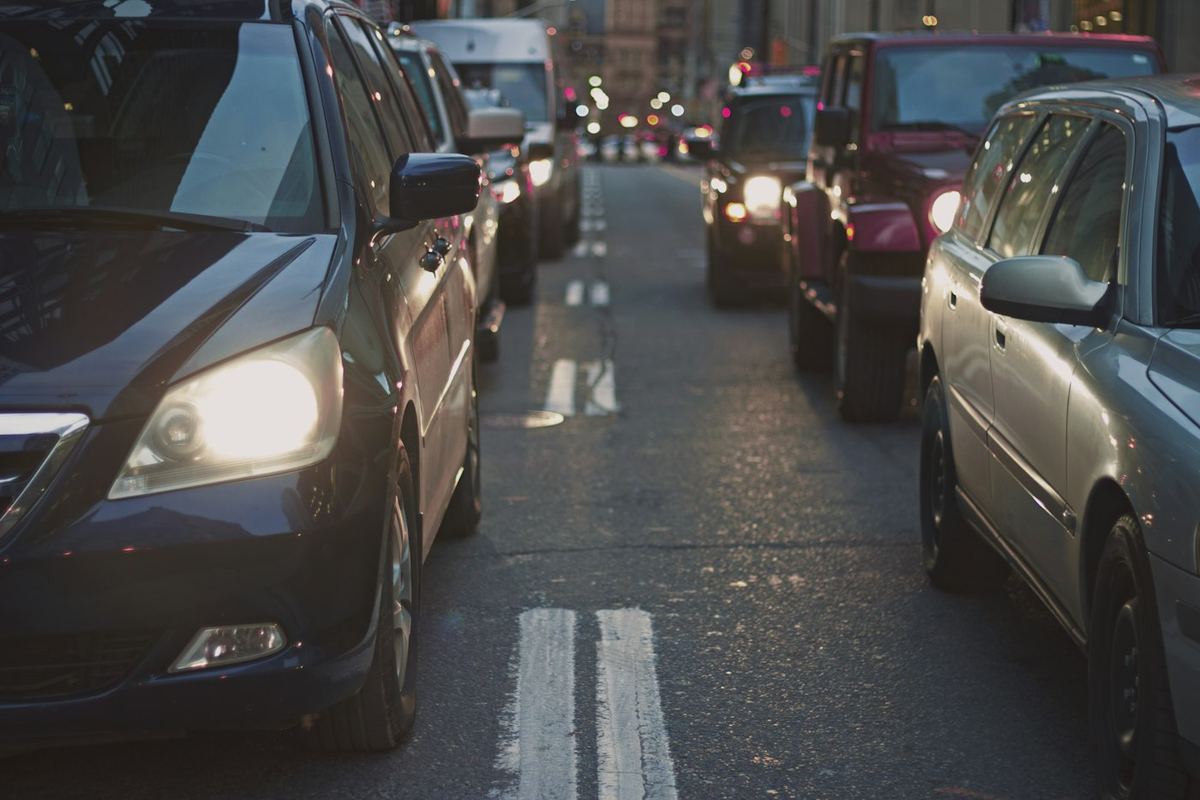
When you stop behind another car, leave enough room to see its rear tires touching the road. That space lets you pull around it if you need to.
What your car needs to stop
Stopping distance depends on the car as much as on the driver. Worn tires, tired brakes and a trunk full of luggage all add feet before the car comes to rest, and anti-lock brakes let you steer while braking hard rather than promising a shorter stop. Keep the tires at the pressure printed on the sticker inside the driver’s door, and leave more room when the car is loaded or the tread is getting low.
What a bigger gap gives you
A wider gap buys time, and time is what every other defensive habit depends on. It gives your eyes longer to read what is happening ahead, your foot longer to move to the brake, and the car more road to slow on. It also takes pressure off the whole drive: fewer sharp stops, fewer surprises, and a calmer trip for everyone in the car.
Common questions
On a dry highway in good light, three seconds is a reasonable minimum. Many drivers find four feels more comfortable at highway speed, and the gap should grow in rain, at night or behind a large truck.
Let them, then ease off until the gap is back. It can happen several times on a busy road, and each time you lose only a second or two of progress.
Yes. Stopped, the usual habit is to see the rear tires of the car ahead where they meet the road. That leaves space to steer around it, and to move up if someone behind is coming too fast.
This page is general information about auto safety and driving habits. It is not a lesson, legal advice or a statement of the law where you drive; your state’s driver handbook and a licensed instructor come first.